personal story
Why I Moved to Guatemala for Four and a Half Years
Sep 29, 2026 · 6 min read
How four and a half years in Guatemala changed the way I listen, build trust, and tell stories with people rather than simply about them.
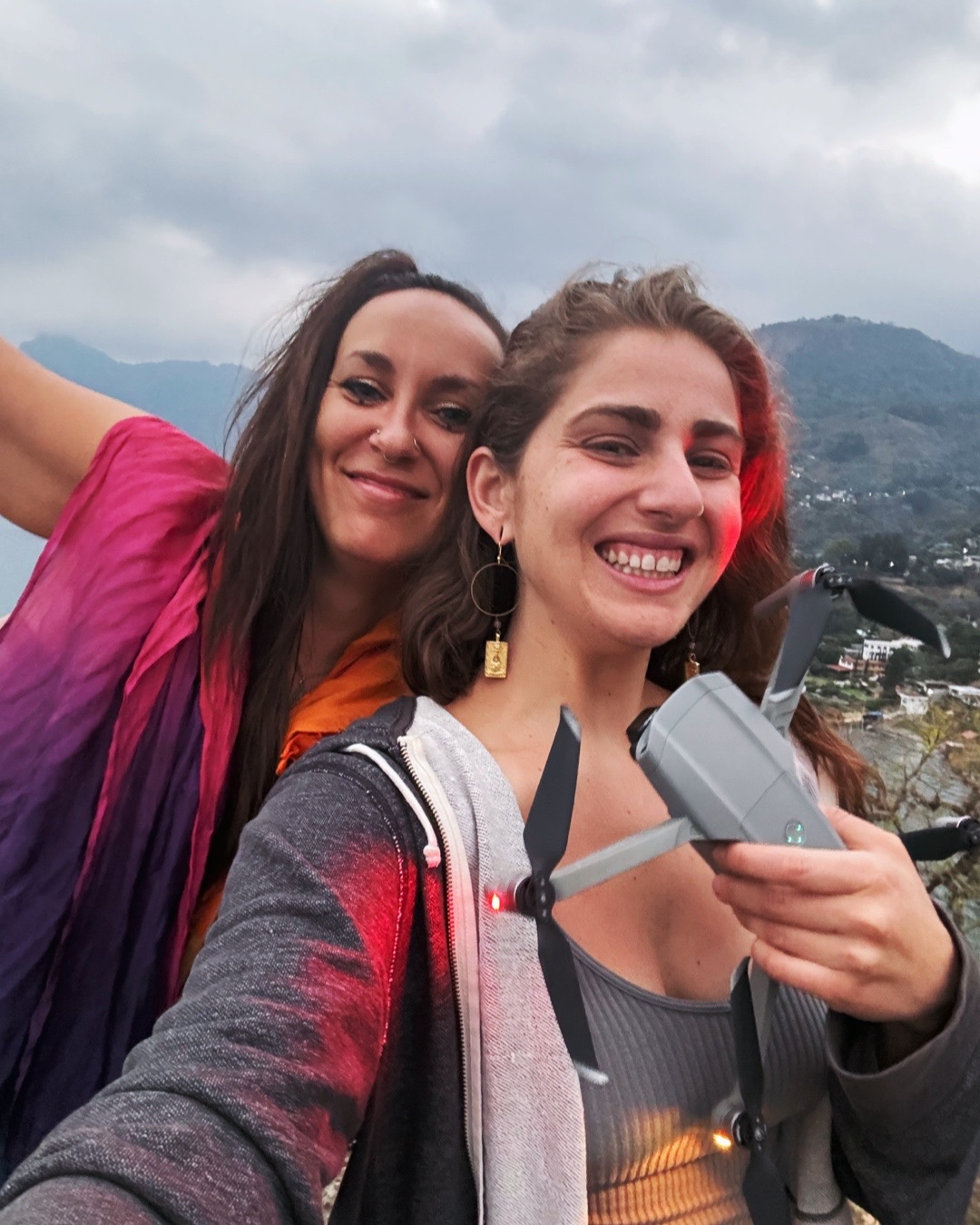
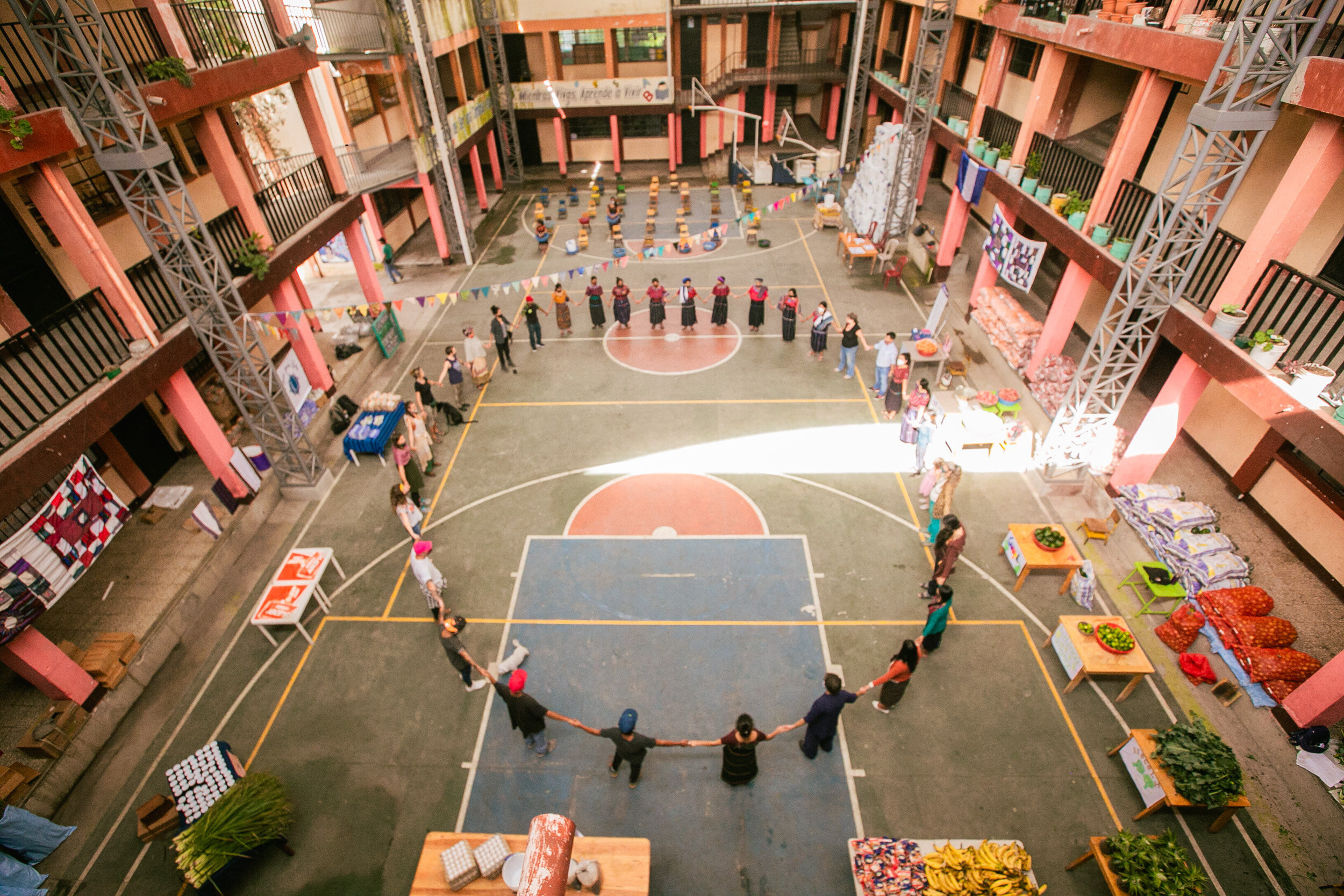
I lived in Guatemala for four and a half years. That sentence is easy to say now, but those years hold entire worlds for me: learning Spanish, working alongside communities, climbing volcanoes, carrying camera gear into places I never would have known otherwise, and being welcomed into people’s lives with a generosity I still think about.
I had studied journalism and photography, so I arrived knowing how to ask questions and make pictures. Guatemala taught me that those skills are not enough on their own. A meaningful story begins long before the camera comes out. It begins with how you enter a space, how closely you listen, what you are willing to learn, and whether the person in front of you feels respected rather than observed.
Storytelling is something you do with people
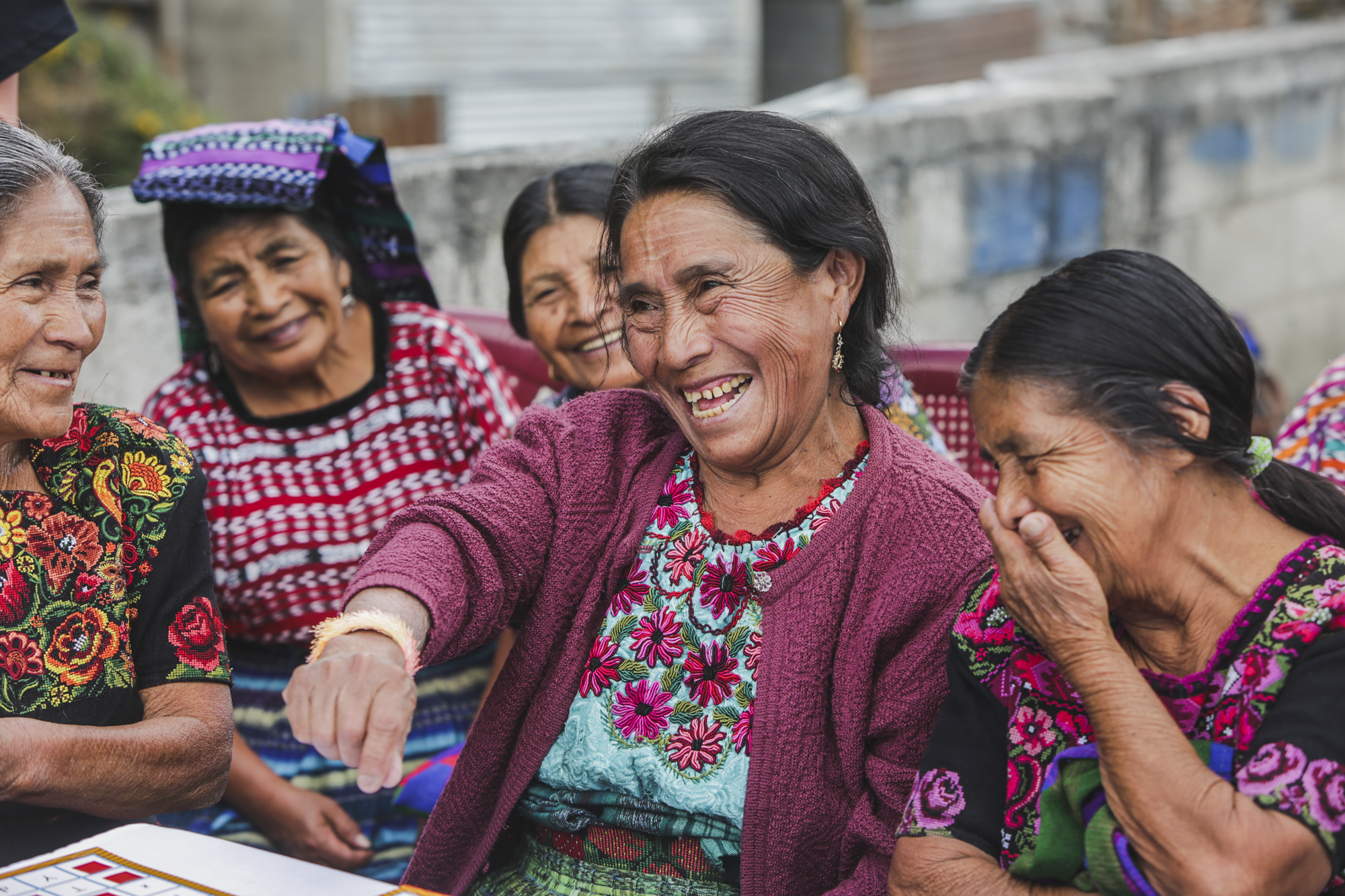
The most important thing Guatemala taught me is that storytelling is collaborative. A photograph can be beautiful and still miss the truth of a person. A film can be technically perfect and still feel distant. The work becomes meaningful when people have enough safety, time, and trust to show up as themselves.
That changed how I approach everything. I do not want to arrive with a story already decided and make people fit inside it. I want to understand what matters to them, notice what is happening between the obvious moments, and create something that feels recognizable to the people whose lives and work are being shown.
Learning to work across difference
Living in another country made me more aware of what I do not know. Language helped, but real understanding came from staying curious and letting people correct my assumptions. It taught me to slow down, read a room, ask better questions, and make space for a story to be more complex than the first version I imagined.
Those lessons still shape the way I work with a nonprofit team, a founder in the middle of building something, a family business, or a retreat community. The setting changes. The responsibility does not. People deserve to be represented with depth, dignity, and a sense of their own voice.
What I carried home
Guatemala gave me more than a body of work. It gave me a way of working: relationship before extraction, curiosity before assumption, and people before the polished final product. It showed me that photographs and films can connect people across very different worlds when they are made with intention and care.
A decade into this work, I can trace so much of my practice back to those four and a half years. Whether I am documenting nonprofit work in the field, a retreat in the mountains, or the people behind a growing brand in Denver, I am still trying to do the same thing: create a space where someone can feel seen and make a story that moves beyond the surface.